“Grain rain” search results (100)
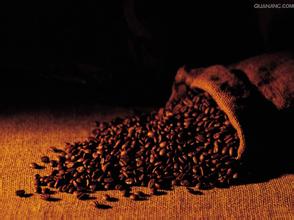
Introduction of Indonesia Manning Coffee Bean Fine Coffee introduction to Manor producing area
Diseases and insect pests caused by torrential rains in 2oo6 reduced coffee production in India by 4.09% to 288000 tons, less than the 300000 tons after 2oo6/2oo7 's annual flowering. According to expert analysis, heavy rain and coffee diseases such as stem rot and black rot have reduced coffee production, while the yield of small seed coffee may be reduced from 10.37 million tons to 99700 tons after heavy rain, while the yield of medium grain coffee is lower than that predicted after flowering.
2016-07-25 Nieman Tenin coffee beans boutique coffee introduction manor flavor taste
Cultivation techniques and Biological habits of Coffee Tree
2. Biological habits (1) Botanical characteristics (2) growth and flowering habits (3) requirements for environmental conditions (1) Botanical characteristics 1. Root coffee root is a conic root system, its morphology, distribution and depth vary with agro-technical measures, soil conditions and varieties. In the case of a political party, there is a thick and short main root and many developed lateral roots. According to the observation in Hainan Island
2015-10-07 Coffee cultivation techniques biology learning
Coffee cultivation techniques
Coffee, cocoa and tea are called the three major beverages in the world, and their output, consumption and output value all rank first. In addition to being used as a beverage, coffee can also extract caffeine and coffee oil; in medicine, it can be used as an anesthetic, stimulant and diuretic cardiotonic agent.
2014-06-17 Coffee knowledge coffee cultivation techniques coffee encyclopedia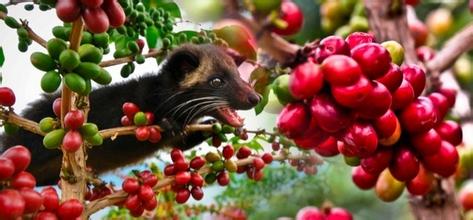
What is the growing environment of coffee beans? What conditions must be met to grow coffee beans?
Coffee is native to tropical Africa. The origin of the small seed species is the tropical plateau of Ethiopia. It is between 900 and 1800 meters above sea level with an average annual temperature of 19. C; the mid-grain species is native to the tropical rain forest of the Congo, with an average annual temperature of 2126 at an altitude of less than 900 meters. C . Their origins are shaded or semi-shaded forests and river valleys, so the formation of coffee requires calm wind, cool and wet.
2015-11-24 Coffee beans growth environment how reach conditions talent planting coffee origin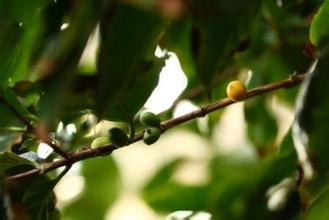
Coffee growing environment affects coffee growing environment and coffee quality Suitable soil and conditions
Coffee originated in tropical Africa, the origin of small species is the tropical plateau of Ethiopia, between 900 and 1800 meters above sea level, with an average annual temperature of 19. C. The medium-grained species originated in the tropical rain forest area of Congo, below 900 meters above sea level, with an annual average temperature of 21~26. C。They are native to shady or semi-shady forests and river valleys, so coffee needs calm wind, warm and humid
2016-01-22 coffee growth environment impact quality suitability soil condition origin
Boutique Coffee legends about Coffee
Coffee flowers carved white jade leaves, coral beads knot. Looking at the coffee in the rain, I couldn't bear to go back. The flowers often bring rain, and the smell is as strong as milk. The mountain birds call at night and pick up fallen pearls in the Ming Dynasty. Walk into the coffee garden in May or June and see the oval pea-sized coffee fruit you won't let me. I will press you, you are next to me, and I squeeze you, gathering in the petioles one by one and bending the branches.
2014-12-01 Boutique coffee about legends gray jade leaves corals beads rain
Fine Coffee learn the growing environment of coffee
Coffee is native to tropical Africa, the small seed is originated in the tropical plateau of Ethiopia, between 900 and 1800 meters above sea level, with an average annual temperature of 19C; the medium seed is native to the tropical rain forest region of the Congo, below 900 meters above sea level, with an average annual temperature of 2126. C 1. Different varieties of temperature coffee have different requirements for temperature. Small seed species need a cooler climate and an annual average temperature of 1.
2014-10-16 Coffee knowledge boutique coffee science coffee growing environment
Legend of Coffee basic knowledge of Fine Coffee beans
Coffee flowers carved white jade leaves, coral beads knot. Looking at the coffee in the rain, I couldn't bear to go back. The flowers often bring rain, and the smell is as strong as milk. The mountain birds call at night and pick up fallen pearls in the Ming Dynasty. Walk into the coffee garden in May or June and see the oval pea-sized coffee fruit you won't let me. I will press you, you are next to me, and I squeeze you, gathering in the petioles one by one and bending the branches.
2015-04-28 Coffee legends boutiques coffee beans basics common sense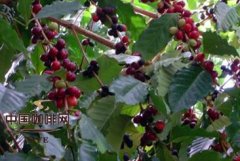
The legend of coffee the story of the discovery of coffee
Coffee flowers carved white jade leaves, coral beads knot. Looking at the coffee in the rain, I couldn't bear to go back. The flowers often bring rain, and the smell is as strong as milk. The mountain birds call at night and pick up fallen pearls in the Ming Dynasty. Walk into the coffee garden in May or June and see the oval pea-sized coffee fruit you won't let me. I will press you, you are next to me, and I squeeze you, gathering in the petioles one by one and bending the branches.
2015-02-07 Coffee legends about discovered stories coffee gray jade leaves corals beads
The growing environment of coffee
Coffee is native to tropical Africa, the small seed is originated in the tropical plateau of Ethiopia, between 900 and 1800 meters above sea level, with an average annual temperature of 19C; the medium seed is native to the tropical rain forest region of the Congo, below 900 meters above sea level, with an average annual temperature of 2126. C
2014-06-16 Coffee knowledge Coffee growth Coffee Encyclopedia
Arabica Coffee beans Coffee cultivation in China
Arabica coffee accounts for 70% of all coffee production, and its excellent flavor and aroma make it a direct drinkable coffee with only eight Arabica beans (8). But its resistance to dryness, frost, diseases and insect pests is too low, especially the natural enemy of coffee-leaf rust, so all producing countries are committed to
2016-06-04 Rabbi coffee beans China coffee planting situation all output rabbi
Arabica coffee bean variety Arabica variety
Arabica bean scientific name: coffea arabica (Arabica bean) family: Rubiaceae coffee tree can be divided into two main varieties: Arabica species (coffea arabica) and Robusta species (coffea robusta/coffea canephora) (rare on the market). Arabica (Coffea arabica) is the most traditional Arabica coffee variety. Originated in the east
2015-03-10 Arabic Coffee Bean Variety Rabbi Card seed Kadou Scientific name coff
Arabica, the most traditional Arabica coffee variety.
Arabica bean scientific name: coffea arabica (Arabica bean) family: Rubiaceae coffee tree can be divided into two main varieties: Arabica species (coffea arabica) and Robusta species (coffea robusta/coffea canephora) (rare on the market). Arabica (Coffea arabica) is the most traditional Arabica coffee variety. Originated in the east
2014-12-03 Traditional Arabic coffee variety rabbi card species kadou scientific name co
The most traditional Arabica coffee variety, Rabica.
Arabica bean scientific name: coffea arabica (Arabica bean) family: Rubiaceae coffee tree can be divided into two main varieties: Arabica species (coffea arabica) and Robusta species (coffea robusta/coffea canephora) (rare on the market). Arabica (Coffea arabica) is the most traditional Arabica coffee variety. Originated in the east
2015-02-05 Traditional Arabic coffee variety rabbi card species kadou scientific name co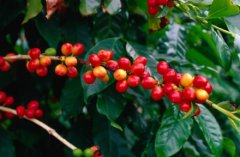
Arabica, the most traditional Arabica coffee variety.
Arabica bean scientific name: coffea arabica (Arabica bean) family: Rubiaceae coffee tree can be divided into two main varieties: Arabica species (coffea arabica) and Robusta species (coffea robusta/coffea canephora) (rare on the market). Arabica (Coffea arabica) is the most traditional Arabica coffee variety. Originated in the east
2015-04-28 Traditional Arabic coffee variety rabbi card species kadou scientific name co
Characteristics of caffeine content in Arabica coffee beans introduction to the manor of family members in the producing area
With the closure of the garden, growers began to look for other disease-resistant varieties. Small-grain coffee is still the most important coffee variety, accounting for about 3% of the world's total coffee production. It is mainly grown in Latin American countries, but also partly in Indonesia and the Pacific islands. The geographical and climatic conditions of Brazil, the world's largest coffee producer, are very suitable for the growth of small-grain coffee and the main coffee products grown.
2016-10-18 Rabbi coffee beans caffeine content characteristics origin taste family members village
Introduction of Arabica Coffee Origin introduction of Arabica Coffee Manor
Arabica coffee accounts for 70% of all coffee production, and Arabica coffee accounts for 70% of all coffee products. its excellent flavor and aroma make it a direct drinkable coffee with only 8 Arabica beans (8). But its resistance to dryness, frost, diseases and insect pests is too low, especially the natural enemy of coffee-leaf rust, so all producing countries are in
2016-07-12 Rabbi Coffee Origin introduction Allah Biya Manor producing area Native all
The most traditional Arabica coffee variety-Arabica Arabica coffee
Arabica bean scientific name: coffea arabica (Arabica bean) family: Rubiaceae coffee tree can be divided into two main varieties: Arabica species (coffea arabica) and Robusta species (coffea robusta/coffea canephora) (rare on the market). Arabica (Coffea arabica) is the most traditional Arabica coffee variety. Originated in the east
2016-02-29 Traditional Arabic coffee variety rabbi card species kadou scientific name co
Introduction of the Origin of the most traditional Arabica Coffee
Arabica (Coffea arabica) is the most traditional Arabica coffee variety. Originally from East Africa, coffee was monopolized by the Arab world for a long time before the 15th century, so it was called Arabian coffee by Europeans. It turned out that all the commercial coffee in the world were small grains, but it was only at the end of the 19th century that growers began to look for other resistance to a large-scale disease.
2016-07-12 Tradition Arabian coffee variety origin introduction rabbi manor producing area la
Arabica Coffee Flavor description introduction to the characteristics of High-quality Coffee Bean varieties
Arabica coffee accounts for 70% of all coffee production, and its excellent flavor and aroma make it the only coffee that Arabica beans can drink directly. However, its resistance to dryness, frost, diseases and insect pests is too low, especially the natural enemy of coffee-leaf rust, so all producing countries are committed to varieties.
2016-10-13 Rabbi coffee flavor description taste boutique coffee beans varieties producing areas characteristics